Unlocking Insights Live: The Impact of Live Streaming at Medical Conferences and Expert Interviews
- Memo Issa

- Mar 25
- 3 min read

Medical conferences serve as vital platforms for sharing the latest research, clinical practices, and innovations in healthcare. Yet, the reach of these events often remains limited to attendees physically present. Live streaming for events and video content for health industry professionals have transformed this landscape, allowing knowledge to flow beyond conference halls. This post explores how live streaming and side interviews with experts at medical conferences create new opportunities for healthcare companies and professionals worldwide.
Expanding Access to Medical Knowledge
Medical conferences gather leading researchers, clinicians, and industry experts to present breakthroughs and discuss challenges. Traditionally, only those attending in person could benefit directly from these insights. Live streaming breaks down this barrier by broadcasting sessions in real time to a global audience.
Wider reach: Physicians, researchers, and students unable to travel can watch presentations from anywhere.
On-demand access: Recorded streams allow viewers to revisit complex topics at their own pace.
Cost-effective learning: Eliminates travel and accommodation expenses, making education more affordable.
For example, a recent cardiology conference streamed its keynote sessions to over 10,000 viewers worldwide, many from countries with limited access to specialized training. This expanded reach helps accelerate the adoption of new treatments and protocols.
Capturing Expert Perspectives Through Side Interviews
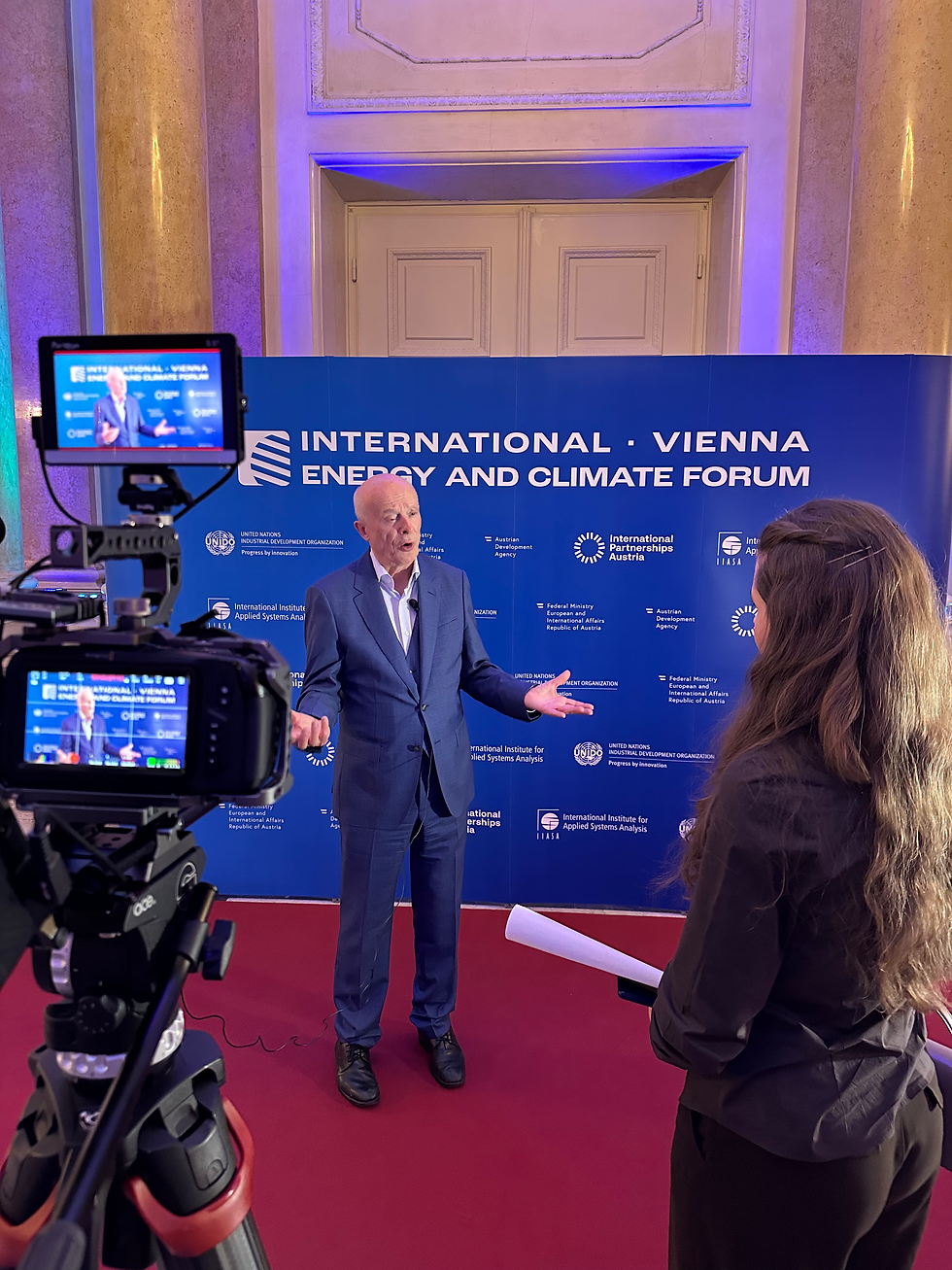
Beyond formal presentations, side interviews with professors and researchers offer unique insights. These conversations often reveal the story behind the research, practical applications, and future directions.
Companies attending medical conferences use these interviews to:
Highlight emerging research: Bringing attention to studies that may not be featured in main sessions.
Showcase thought leadership: Featuring experts who influence clinical practice and policy.
Create engaging video content for health industry audiences: Videos that can be shared on websites, newsletters, and training platforms.
For instance, a pharmaceutical company recorded interviews with leading oncologists discussing novel cancer therapies. These videos helped introduce cutting-edge treatments to healthcare providers in their home country, supporting informed decision-making.
How Companies Benefit from Live Streaming and Interviews
Healthcare companies that invest in live streaming and side interviews gain several advantages:
Strengthen brand credibility: Demonstrating commitment to education and innovation.
Build relationships with key opinion leaders: Collaborating with experts enhances trust and influence.
Facilitate knowledge transfer: Bringing new research findings directly to local markets.
Generate valuable content: Videos can be repurposed for marketing, training, and internal communications.
A medical device manufacturer used live stream coverage and expert interviews from a neurology conference to educate clinicians about a new diagnostic tool. This approach accelerated product adoption and improved patient outcomes.
Technical Considerations for Successful Live Streaming
Delivering high-quality live streams and interviews requires careful planning:
Reliable internet connection: Essential for uninterrupted broadcasts.
Professional audio and video equipment: Clear visuals and sound improve viewer engagement.
Experienced production team: Skilled operators ensure smooth transitions and troubleshoot issues.
Interactive features: Q&A sessions and polls increase audience participation.
Choosing the right platform is also important. Some services specialize in live stream for events tailored to the health industry, offering secure access and compliance with privacy regulations.
Overcoming Challenges in Live Streaming Medical Content
While live streaming offers many benefits, challenges exist:
Time zone differences: Scheduling streams to accommodate global audiences can be difficult.
Confidentiality concerns: Protecting sensitive patient data and unpublished research requires strict controls.
Technical glitches: Unexpected issues can disrupt the viewing experience.
Engagement levels: Keeping remote audiences attentive demands compelling content and interaction.
Addressing these challenges involves thorough preparation, clear communication, and leveraging technology designed for medical events.
Real-World Examples of Impact
Several organizations have successfully used live streaming and side interviews to enhance medical education:
International Diabetes Conference: Live streamed sessions reached over 15,000 viewers in underserved regions, increasing awareness of new insulin therapies.
Global Infectious Disease Summit: Side interviews with virologists provided timely updates during an outbreak, helping healthcare workers respond effectively.
Pediatric Neurology Workshop: A company’s video series featuring expert interviews became a key resource for training nurses and therapists.
These examples show how live streaming and video content for health industry professionals can bridge gaps in knowledge and improve care delivery.
Future Trends in Medical Conference Streaming
The role of live streaming and expert interviews will continue to grow with advances in technology:
Virtual and hybrid conferences: Combining in-person and online participation to maximize reach.
Interactive platforms: Enhanced tools for networking, live polling, and breakout discussions.
AI-driven content personalization: Tailoring video recommendations based on viewer interests.
Multilingual streaming: Expanding accessibility for non-English speakers.
Healthcare companies that embrace these trends will stay ahead in sharing knowledge and connecting with global audiences.


Comments