Embracing the Future: How Live Streaming and Virtual Events Benefit Businesses and Individuals

Live streaming and virtual events have transformed how people connect, learn, and share experiences. What started as a niche technology has become a mainstream tool for businesses and individuals alike. This shift offers unique opportunities to reach wider audiences, save costs, and create engaging experiences that were once impossible with traditional in-person events.
This post explores the rise of live streaming and virtual events, highlights their benefits, shares tips for hosting successful sessions, and looks at examples and future trends shaping this space.
Why Live Streaming and Virtual Events Matter Today
The demand for live streaming and virtual events has surged in recent years. Advances in internet speed, affordable technology, and changing audience habits have made these formats accessible and effective. They allow real-time interaction without geographical limits, making events more inclusive and flexible.
For businesses, virtual events reduce travel and venue costs while expanding reach. For individuals, they offer convenient access to education, entertainment, and community. The ability to engage audiences instantly and gather feedback creates dynamic experiences that traditional formats struggle to match.
Benefits for Businesses and Individuals
For Businesses
Cost Savings
Virtual events eliminate expenses related to venues, travel, catering, and printed materials. This allows companies to allocate budgets to content quality and promotion.
Wider Reach
Without physical boundaries, businesses can attract global audiences. This expands brand awareness and potential customer bases.
Data and Analytics
Platforms often provide detailed insights on attendee behavior, helping businesses understand interests and improve future events.
Flexibility and Scalability
Events can be scaled up or down easily, accommodating hundreds or thousands of participants without logistical headaches.
For Individuals
Convenience
Attendees can join from anywhere, saving time and travel costs.
Access to Expertise
Virtual events often feature speakers and experts who might be otherwise inaccessible.
Interactive Learning
Features like live Q&A, polls, and chat rooms create engaging environments for learning and networking.
Community Building
Shared virtual experiences foster connections among people with similar interests, regardless of location.
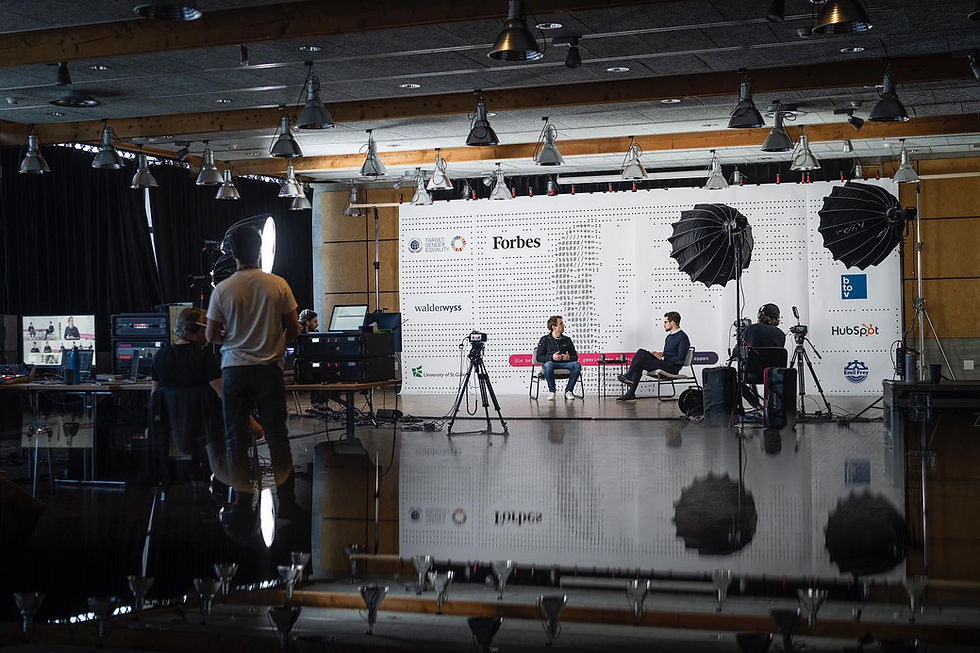
Setting up for a live streaming session in a home studio
Tips for Hosting Successful Live Streams and Virtual Events
Creating a memorable virtual event requires more than just turning on a camera. Here are practical tips to help hosts engage their audience and deliver value.
Engage with Your Audience
Interact Frequently
Use chat, polls, and Q&A sessions to involve viewers. Responding to comments in real time makes participants feel valued.
Use Clear Visuals and Audio
Invest in good lighting, a quality microphone, and a stable internet connection. Clear sound and visuals keep viewers focused.
Tell a Story
Structure your content with a beginning, middle, and end. Stories help maintain interest and make messages memorable.
Choose the Right Platform
Match Platform Features to Your Needs
Some platforms excel at webinars, others at large conferences or casual streams. Consider audience size, interactivity, and technical support.
Test Before Going Live
Run rehearsals to check audio, video, and connectivity. This reduces technical issues during the event.
Promote Your Event Effectively
Use Multiple Channels
Share event details via email, social media, and websites. Tailor messages to different audience segments.
Create a Clear Call to Action
Encourage sign-ups early and remind registrants as the event approaches.
Leverage Partnerships
Collaborate with influencers or related organizations to expand reach.
Examples of Successful Virtual Events
Adobe MAX
Adobe MAX is an annual creativity conference that transitioned to a fully virtual format. It attracts tens of thousands of participants worldwide. The event features live keynotes, breakout sessions, and interactive labs. Adobe’s use of high-quality production and engaging content keeps attendees coming back.
TEDx Virtual Talks
TEDx events adapted quickly to virtual formats, allowing local communities to host talks online. This shift increased accessibility and diversity of speakers, reaching broader audiences than ever before.
Fitness and Wellness Classes
Many fitness instructors and wellness coaches moved to live streaming classes during recent years. Platforms like Zoom and Instagram Live helped them maintain client relationships and grow new audiences globally.
What the Future Holds for Live Streaming and Virtual Events
The future of virtual events looks promising with ongoing technological advances and evolving audience expectations.
More Immersive Experiences
Virtual reality (VR) and augmented reality (AR) will create deeper engagement by simulating physical presence.
AI-Powered Personalization
Artificial intelligence will tailor content and networking opportunities to individual preferences.
Hybrid Events
Combining in-person and virtual elements will become standard, offering flexibility and maximizing participation.
Improved Accessibility
Innovations will make events more inclusive for people with disabilities or language barriers through real-time translation and captioning.


Comments